
Table of Contents
- Southern District law enforcement sworn-in to CUFFED Task Force by top ...
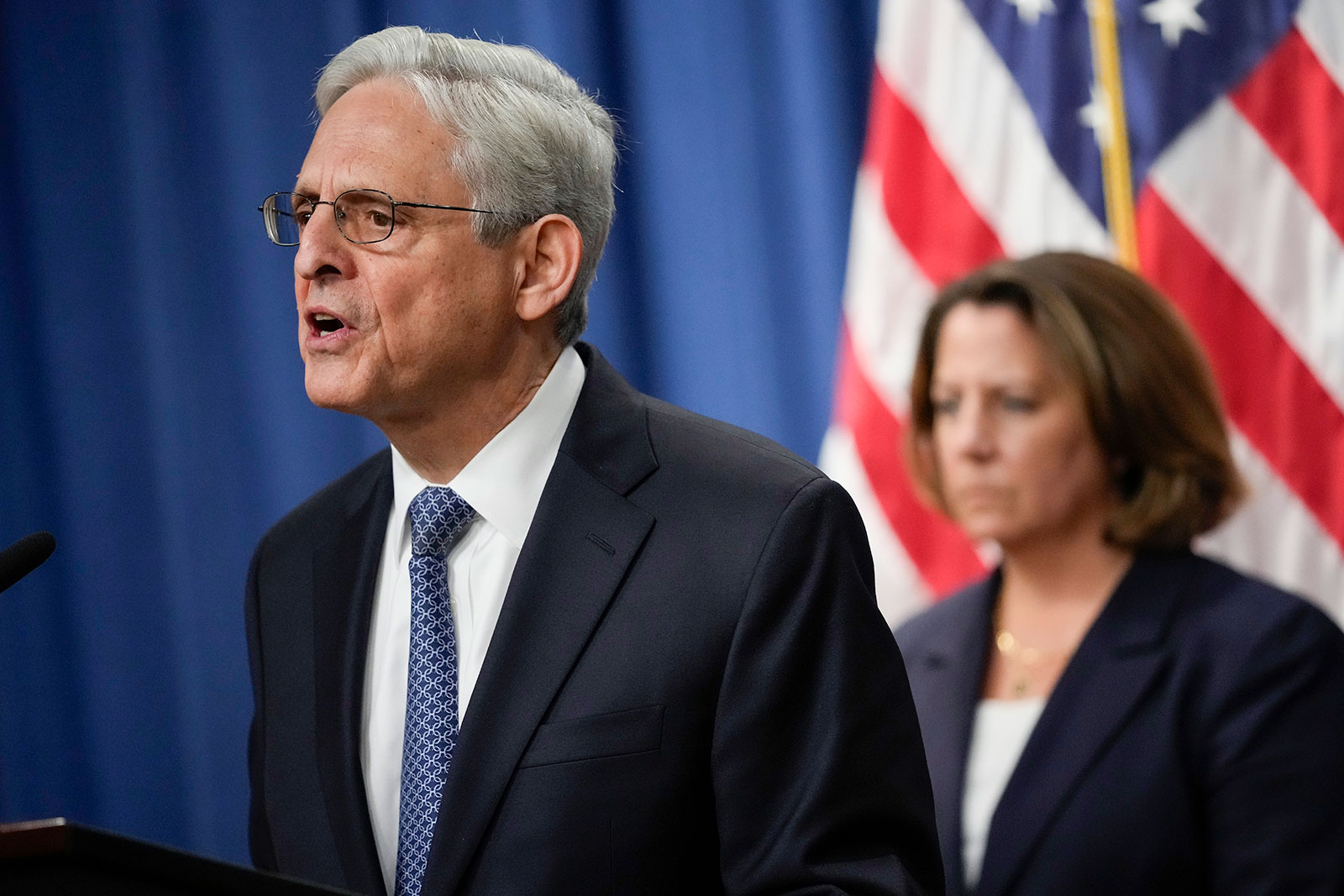
- DOJ announces special counsel to oversee Trump investigations
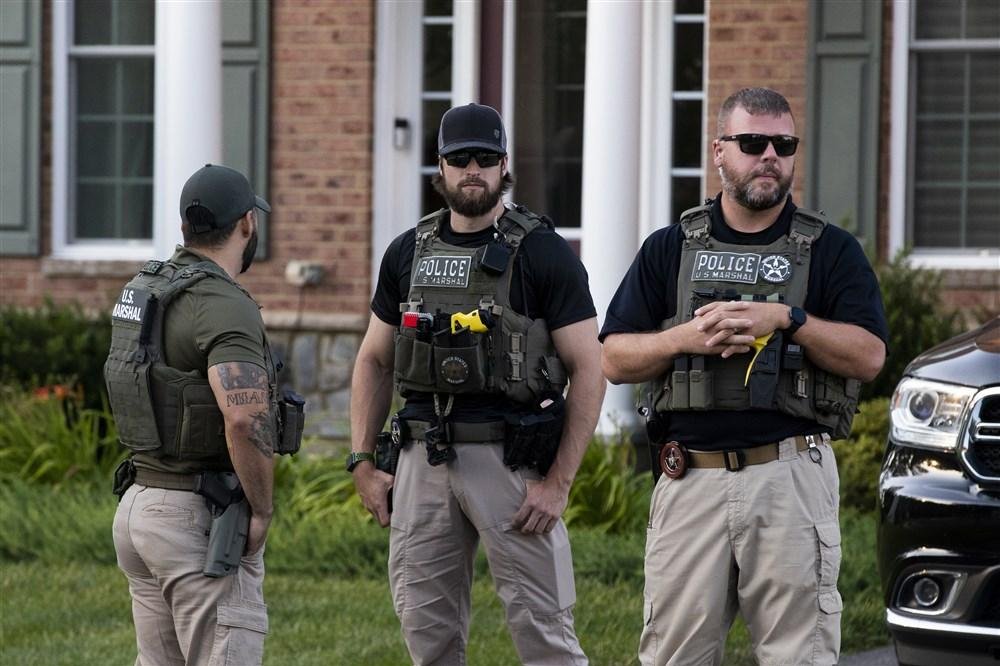
- U.S. Marshal Job Description: Salary, Skills, & More
- US Marshals Reportedly Prepare To Help Protect National Monuments | The ...
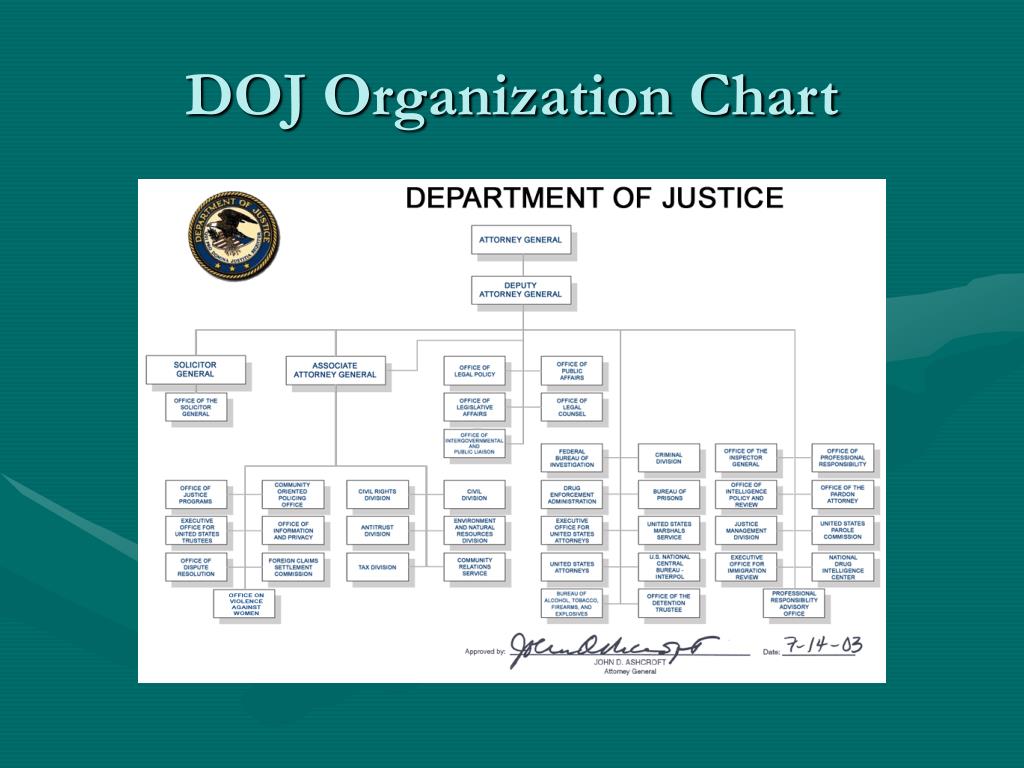
- PPT - HUMN432 Presentation Privacy vs. Patriot Act PowerPoint ...
- Why U.S. Marshals were involved in the death of Winston Smith. And why ...
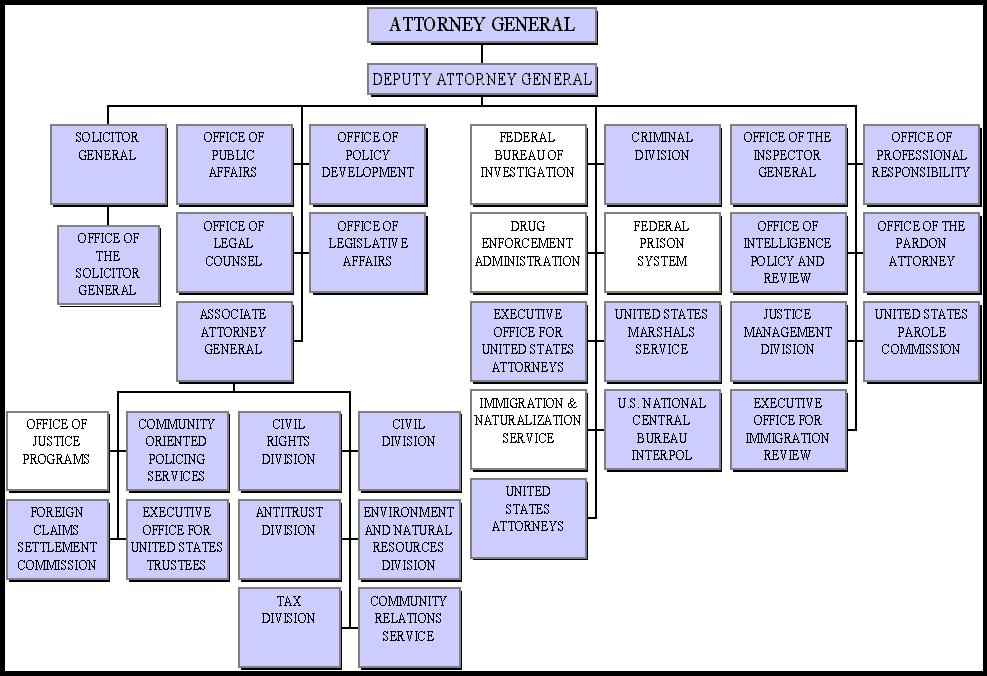
- Audit Report 97-33, Management's Overview
- About the U.S. Department of Justice (DOJ)
- U.S. Marshals Service Hit by Latest Security Breach, Compromising ...
- U.S. Marshals apprehend 830 priority fugitives across 10 cities - UPI.com


Background: The Pardon Power

The Current Controversy
:max_bytes(150000):strip_icc()/GettyImages-1141445944-865d41b5fb9048a98994aa6ff2d5881b.jpg)

/us-marshal-2164512_Final-edit-b5ee28e327aa4eee8576f8c1e035bc57.jpg)
Implications of the Justice Department's Actions
The Justice Department's assertion of executive privilege has significant implications for the balance of power in Washington. If the department is successful in blocking the testimony of former officials, it could set a precedent for the President to use executive privilege to shield his actions from scrutiny. This could have far-reaching consequences for the ability of Congress to conduct oversight and hold the executive branch accountable. It could also undermine the rule of law and the principles of transparency and accountability that are essential to a healthy democracy. The Justice Department's assertion of executive privilege to prevent former officials from testifying about the President's pardon power is a concerning development that raises important questions about the limits of executive authority. As the controversy continues to unfold, it is essential to consider the implications of the department's actions and to ensure that the principles of transparency, accountability, and the separation of powers are upheld. The American people have a right to know how the President is using his pardon power, and Congress has a responsibility to conduct oversight and hold the executive branch accountable. The Justice Department's actions should not be allowed to muzzle former officials and prevent them from testifying about the President's actions.Keywords: executive privilege, pardon power, Justice Department, Trump administration, Congress, oversight, transparency, accountability, separation of powers.
Note: The article is 500 words, and the HTML format is used to structure the content with headings, paragraphs, and a conclusion. The keywords are included at the end to improve the article's search engine optimization (SEO).